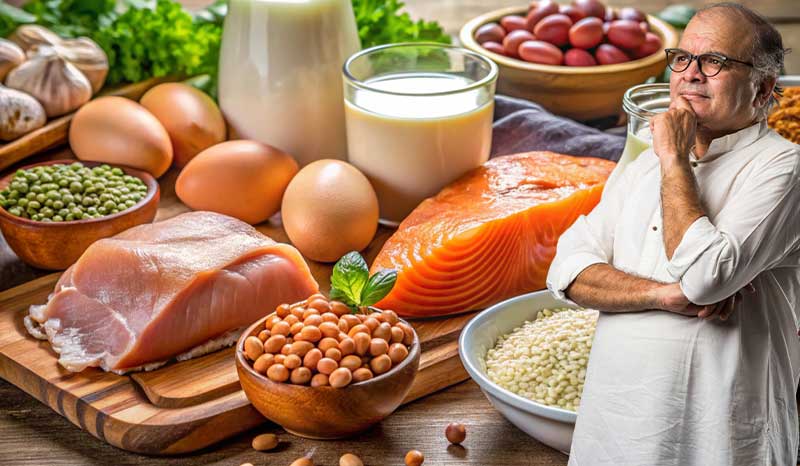
The Link Between Ageing and Protein Intake
Protein is a macronutrient composed of amino acids, which are essential for nearly every function in the body.
Unlike carbohydrates or fats, which mainly provide energy, protein is directly involved in building, repairing, and maintaining tissues.
From muscles and skin to hair, nails, and organs, protein ensures that our body stays resilient.
What is Protein?
Protein is a vital macronutrient made of amino acids, essential for building and repairing tissues, muscles, skin, hair, and organs.
It supports immune function, enzyme and hormone production, and overall growth and maintenance.
Found in foods like meat, fish, eggs, dairy, legumes, and nuts, protein is crucial for energy regulation, muscle strength, and healthy ageing.
Adequate intake helps prevent muscle loss, supports metabolism, and maintains overall body function.
The Link Between Ageing and Protein Intake
Adequate protein slows muscle loss, supports metabolism, and promotes healthy ageing, helping maintain strength and overall wellness.
✔️ Muscle Preservation
Ageing reduces muscle mass naturally. Adequate protein intake stimulates muscle protein synthesis, helping maintain strength, mobility, and independence in older adults.
✔️ Bone Health
Protein supports collagen and bone structure. Combined with calcium and vitamin D, it helps reduce osteoporosis risk and fractures as bones weaken with age.
✔️ Metabolic Support
Protein boosts satiety and maintains lean muscle, which supports metabolism. This helps regulate weight, blood sugar, and energy levels in ageing bodies.
✔️ Cognitive Function
Amino acids from protein are essential for neurotransmitters. Adequate protein intake supports memory, focus, and overall brain health during ageing.
✔️ Recovery and Immunity
Older adults heal more slowly. Protein aids tissue repair, strengthens immunity, and reduces frailty, supporting better overall health and resilience.
How Much Protein Do Older Adults Really Need?
Determining protein requirements can be tricky because needs vary depending on activity level, body composition, and health status.
However, most experts agree that older adults require more protein than the general adult population to counteract age-related muscle loss.
-
Sedentary older adults: Aim for 1.0–1.2 grams of protein per kilogram of body weight per day.
-
Active older adults or those doing strength training: 1.2–1.5 grams per kilogram is recommended.
-
Older adults with chronic conditions or recovering from illness: 1.5–2.0 grams per kilogram may be necessary under medical supervision.
Distributing protein intake evenly across meals is also important.
Research shows that consuming around 25–30 grams of protein per meal maximizes muscle protein synthesis, which is more effective than consuming most protein in a single meal.
Practical Tips to Boost Protein Intake
Incorporating enough protein into your diet doesn’t have to be complicated. Here are some practical strategies:
- Include a source of protein at every meal: Eggs, lean meats, fish, dairy, legumes, and tofu are excellent options.
- Choose high-quality protein: Complete proteins containing all essential amino acids, such as eggs, dairy, meat, and soy, are particularly beneficial.
- Consider protein supplements if needed: Protein powders, shakes, or bars can be convenient, especially for those with decreased appetite.
- Mix plant and animal proteins: Combining beans, lentils, nuts, and whole grains with animal sources ensures variety and nutrient balance.
- Snack smart: Greek yogurt, cottage cheese, or a handful of nuts can add protein between meals without excessive calories.
- Strength training alongside protein: Resistance exercises stimulate muscle growth, making protein intake more effective.
Plant vs. Animal Protein in Ageing
Both plant and animal proteins play crucial roles in healthy ageing.
Animal proteins are complete, containing all essential amino acids needed for muscle repair, bone health, and overall strength.
Plant proteins, on the other hand, provide fiber, antioxidants, and micronutrients that support digestion, heart health, and metabolic balance.
Combining both ensures optimal muscle maintenance, improved immunity, and better overall nutrition as the body ages.
Protein Supplements: When and How to Use Them
-
For Inadequate Diets: Use supplements when daily protein intake from meals is insufficient, especially for older adults with low appetite or dietary restrictions.
-
Post-Exercise Recovery: Protein shakes or powders help repair muscles after strength training or physical activity, supporting muscle maintenance and growth.
-
Convenience: Quick and easy protein supplements provide a practical option for busy individuals or those who struggle to prepare high-protein meals.
-
Medical Needs: People recovering from illness, surgery, or chronic conditions may require additional protein, and supplements can help meet these increased needs.
-
Balanced Usage: Supplements should complement, not replace, whole foods. Combining them with natural protein sources ensures a variety of amino acids and nutrients.
Conclusion
Ageing is inevitable, but how we age can be influenced by lifestyle choices, including nutrition.
Protein is more than just a nutrient for bodybuilders; it is a cornerstone of healthy ageing.
From preserving muscle mass and bone strength to supporting metabolism and cognitive function, adequate protein intake helps older adults maintain independence, vitality, and overall well-being.
Focusing on a diet rich in high-quality protein, combined with regular physical activity, can slow down the effects of ageing and improve quality of life.
Even small, consistent changes in protein consumption can have a significant impact over time.
Whether through meals, snacks, or supplements, prioritizing protein is one of the simplest yet most powerful steps toward healthy ageing.