The Hidden Protein Gap in our South Indian Diet
Protein - South Indian cuisine is celebrated globally for its flavors, aromas, and the comforting simplicity of its meals.
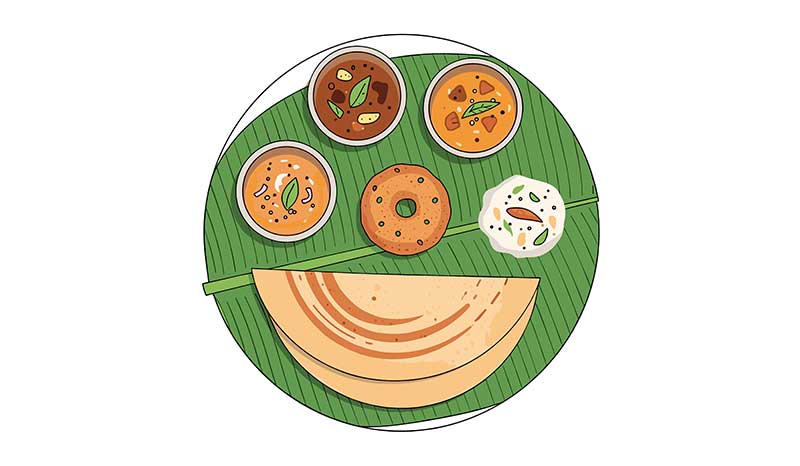
From dosa and idli to sambar and rasam, these foods are staples in households across Tamil Nadu, Karnataka, Kerala, Andhra Pradesh, and Telangana.
Rich in carbohydrates, fiber, and essential vitamins, the South Indian diet is often perceived as healthy.
However, there is a lesser-known issue that many nutritionists are raising concerns about – a hidden protein gap that can impact health over time.
What Is the Protein Gap?
The protein gap is the difference between the recommended daily protein intake and actual consumption. Proteins are vital for tissue repair, enzymes, and hormones.
Many South Indians consume only 50–60% of the required protein, often unnoticed.
Over time, this can cause muscle weakness, slower recovery, fatigue, and nutrient deficiencies, highlighting the need for mindful protein intake.
The Hidden Protein Gap in our South Indian Diet
South Indian meals are traditionally rice-based, complemented with lentils, vegetables, and coconut. While these foods are nutrient-rich, they are often low in complete proteins. Here’s why:
- Carbohydrate Dominance - Meals revolve around rice, dosa, and idlis, which are primarily carbs. Carbohydrates are necessary for energy, but do not provide sufficient protein.
- Limited Protein Sources - While lentils and legumes like moong dal, toor dal, and chana dal are common, they are often consumed in small quantities.
- Vegetarian Preference - Many South Indians follow vegetarian diets for cultural or religious reasons. Plant proteins, although beneficial, sometimes lack one or more essential amino acids.
- Low Inclusion of Dairy and Eggs - Although milk and curd are part of the diet, the quantities are usually small and often do not compensate for the protein gap.
The Reasons Behind This Hidden Protein Gap
South Indian diets, rich in rice and lentils, often lack enough protein, creating a hidden gap that affects health over time.
Several factors contribute to this nutritional imbalance:
✔️ Cultural Habits
South Indian meals have been shaped by centuries of tradition. Rice-based breakfast and lunch are considered wholesome, while protein-rich foods like meat or eggs may be reserved for occasional meals.
✔️ Economic Considerations
Animal-based proteins are often more expensive. While lentils are affordable, people may not consume them in the quantities necessary to meet their protein needs.
✔️ Lack of Awareness
Many individuals believe that a diet rich in lentils and vegetables is automatically sufficient in protein. However, without variety and portion control, the protein intake remains low.
✔️ Cooking Practices
Traditional methods such as soaking, fermenting, and tempering can sometimes reduce the protein content or the bioavailability of certain amino acids.
Signs You Might Be Protein-Deficient
Recognizing protein deficiency early can help prevent long-term health issues. Common signs include:
-
Muscle Weakness: Difficulty lifting weights or performing routine physical activity.
-
Hair Fall: Protein deficiency can weaken hair follicles.
-
Slow Healing: Cuts, bruises, and injuries take longer to heal.
-
Fatigue: Low protein can reduce overall energy and stamina.
-
Frequent Infections: Proteins are vital for immune function.
If you notice these symptoms, it might be time to assess your protein intake and make adjustments to your diet.
Common Myths About Protein in the South Indian Diet
Several misconceptions prevent people from optimizing their protein intake:
Myth 1: Lentils Alone Are Enough
While lentils are protein-rich, relying solely on them without combining different plant-based proteins can leave essential amino acid needs unmet.
Myth 2: South Indian Vegetarian Diet Is Complete
Although plant foods are nutrient-dense, traditional South Indian meals often fall short of total protein needs, especially for adults and older adults.
Myth 3: Milk and Yogurt Can Cover Protein Needs
Dairy does provide protein, but in typical daily servings (one cup of milk, half a cup of yogurt), it may not be enough to bridge the protein gap entirely.
Myth 4: Meat Is Not Necessary at All
While it’s possible to get enough protein from a vegetarian diet, it requires careful planning. Ignoring protein-rich foods altogether increases the risk of deficiency.
Protein-Rich Foods Commonly Overlooked
Many protein sources are already part of South Indian kitchens but are underutilized:
-
Sprouted Legumes: Sprouting increases protein digestibility. Sprouted moong, chickpeas, and lentils are excellent options.
-
Millets: Finger millet (ragi), pearl millet (bajra), and foxtail millet contain more protein than white rice.
-
Tempeh and Tofu: These soy-based foods are protein-dense and easy to incorporate in curries and stir-fries.
-
Nuts and Seeds: Chia seeds, flaxseeds, peanuts, and almonds can boost protein intake.
-
Eggs and Fish: For non-vegetarians, eggs and regional fish like sardines and mackerel are excellent, affordable protein sources.
Practical Tips to Bridge the Protein Gap
Here are actionable tips to increase protein intake in a South Indian diet without changing it drastically:
- Mix Lentils: Combine different dals or add legumes to rice-based dishes. For example, a mix of moong dal and toor dal can provide complete proteins.
- Include Millets: Substitute rice with ragi, foxtail millet, or kodo millet in meals.
- Add Protein to Breakfast: Incorporate eggs, paneer, or sprouted beans in dosa and idli batters.
- Use Seeds and Nuts: Sprinkle flaxseeds, sesame, or peanuts in chutneys, upma, or porridge.
- Fermented Foods: Fermented foods like idlis and dosas improve protein absorption and add gut-friendly probiotics.
- Include Protein Snacks: Roasted chana, boiled eggs, and paneer cubes are quick ways to boost daily protein.
The Role of Protein in Different Life Stages
Protein needs vary across age and lifestyle:
-
Children: Essential for growth and development; low protein can affect height and muscle formation.
-
Adults: Important for muscle maintenance, immunity, and energy balance.
-
Pregnant Women: Higher protein requirements support fetal growth and maternal health.
-
Elderly: Helps prevent muscle loss and improves bone health.
By recognizing these needs, families can tailor South Indian meals to ensure adequate protein intake for everyone.
Why Addressing the Protein Gap Matters?
Filling the hidden protein gap is not just about physical health; it has broader benefits:
-
Enhanced Immunity: Proteins support antibody production and fight infections.
-
Better Metabolism: Sufficient protein improves metabolic rate and reduces fatigue.
-
Muscle and Bone Strength: Reduces risk of injuries, osteoporosis, and age-related muscle loss.
-
Weight Management: High-protein diets increase satiety and help prevent overeating.
-
Cognitive Health: Amino acids from protein contribute to neurotransmitter production and brain function.
Ignoring the protein gap can result in long-term health issues that may go unnoticed until serious complications arise.
Final Thoughts
The South Indian diet is undeniably delicious and nutrient-rich, but its hidden protein gap is a real concern.
By understanding the reasons behind this gap, recognizing its signs, debunking common myths, and incorporating protein-rich foods creatively, it is possible to enjoy the best of traditional cuisine without compromising on essential nutrition.
Small adjustments like including millets, sprouted legumes, tofu, eggs, or seeds can make a big difference in overall health.
South Indians do not need to abandon their cherished culinary traditions; they only need to smartly enhance them. Awareness, variety, and portion control are the keys to closing this hidden protein gap.