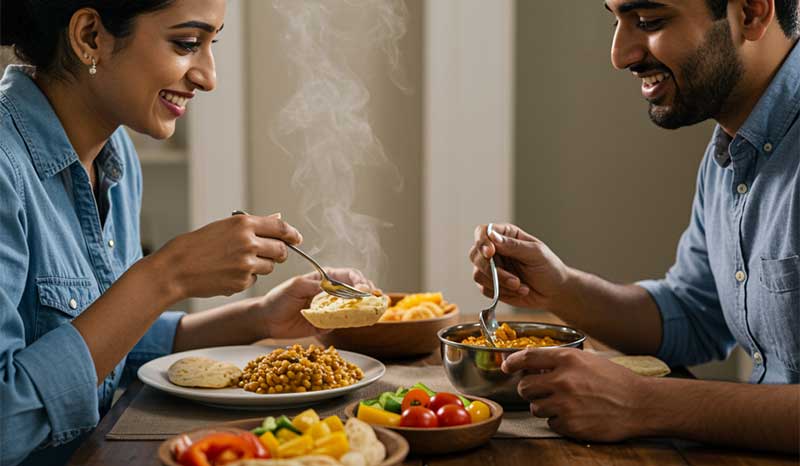
The Role of Protein in Your 20s
Your twenties—the decade of college degrees, first jobs, late-night study sessions, early-morning gym workouts, wedding preparations, and career aspirations. It's a time when you feel invincible, when health seems automatic, and when nutrition often takes a backseat to busy schedules and social commitments.
But here's what most twenty-somethings don't realize: what you do with your nutrition in your 20s - especially your protein intake—lays the foundation for your health for the next 60+ years.
Why Your 20s Are the Golden Decade for Protein
Your twenties aren't just about building a career—they're about building your body's foundation. Here's why this decade is uniquely important:
1. Peak Muscle-Building Years
Your 20s represent the optimal window for building muscle mass. Research shows that young adults (under 65 years) respond most effectively to protein intake for muscle growth:
- Muscle protein synthesis (the process of building new muscle) is highly responsive in your 20s
- Your hormonal environment (testosterone in men, growth hormone in both sexes) is optimal
- Your body efficiently utilizes dietary protein to build and maintain muscle
- You can build a "muscle reserve" that protects you from age-related muscle loss later
Studies demonstrate that younger subjects gain lean body mass more effectively from protein supplementation compared to older adults. This is your body's prime time to build the muscle that will serve you for life.
2. Establishing Your Metabolic Set Point
The muscle mass you build in your 20s determines your metabolic rate for decades to come:
- More muscle = higher metabolism even at rest
- Muscle tissue burns calories 24/7, helping maintain healthy body weight
- The metabolic habits you establish now become your baseline
- Muscle built in your 20s helps prevent the "skinny fat" syndrome common in sedentary Indians
For Indian young adults, who already have lower muscle mass compared to Western populations, maximizing muscle building in the 20s is particularly crucial.
3. The Decade of Maximum Stress
Whether it's competitive exams, job hunts, relationship pressures, family expectations, or building a career, your 20s are mentally and physically demanding:
- Protein supports stress response: Helps produce cortisol regulation hormones
- Brain function: Neurotransmitters (brain chemicals) are made from amino acids
- Immune system: Constant stress depletes immunity—protein rebuilds it
- Recovery: From workouts, illness, late nights, or emotional stress
Research on healthy sedentary Indians aged 20-45 found that protein supplementation combined with simple exercise significantly improved body composition, muscle strength, and amino acid profiles—demonstrating that even modest protein increases make a measurable difference.
4. Reproductive Health Foundation
For both men and women, the 20s set the stage for reproductive health:
For Women:
- Protein supports hormonal balance and regular menstrual cycles
- Prepares the body for potential pregnancy (which requires 23g extra protein daily)
- Supports healthy hair, skin, and nails (important for self-confidence and social engagement)
- Helps prevent anemia (which affects 59% of Indian women aged 15-49)
For Men:
- Protein supports testosterone production and sperm health
- Maintains muscle mass and strength (linked to fertility)
- Supports energy and vitality
How Much Protein Do You Actually Need in Your 20s?
The answer depends on your lifestyle, activity level, and goals:
For Sedentary to Moderately Active Young Adults
Minimum (ICMR-NIN 2020 Guidelines):
- Men (20-39 years): 54-60g per day (0.83g per kg body weight)
- Women (20-39 years): 46-55g per day (0.83g per kg body weight)
Important caveat: For Indians consuming cereal-based diets with low-quality protein, requirements increase to 1g per kg body weight.
For Active Young Adults
If you exercise regularly, play sports, or engage in physical activities:
- Men: 1.2-2.0g per kg body weight (70-140g for a 70kg man)
- Women: 1.2-1.8g per kg body weight (65-110g for a 60kg woman)
For Muscle Building and Athletic Goals
If you're doing resistance training or trying to build muscle:
- Men: 1.6-2.2g per kg body weight
- Women: 1.6-2.0g per kg body weight
Real-world example:
- A 70kg man doing weight training needs: 112-154g protein daily
- A 60kg woman doing strength training needs: 96-120g protein daily
The Current Reality: Are Indian Twenty-Somethings Getting Enough?
The data is concerning. According to recent surveys:
- Urban Indians consume only 55.4g protein daily on average
- 74% cannot correctly identify recommended protein intake
- 85% don't track their protein consumption
- 60% of Indians rely on low-quality cereal proteins
- Many young professionals consume less than 40g protein daily
The gap is real, and it's costing you.
Protein Distribution: It's Not Just How Much, But When
Recent research reveals that how you distribute protein throughout the day matters as much as total intake:
The Muscle Full Concept
Studies show that muscle protein synthesis is maximized with approximately 20-25g of high-quality protein per meal for young adults. Consuming all your protein in one meal isn't as effective as spreading it across the day.
Optimal Distribution for Your 20s
Breakfast (20-30g protein):
- Kickstarts metabolism after overnight fasting
- Supports energy and concentration for work/study
- Reduces mid-morning cravings
Lunch (25-30g protein):
- Sustains afternoon energy
- Prevents the 3 PM slump
- Supports muscle maintenance
Pre/Post-Workout (if you exercise):
- 20-30g within 1-2 hours of training
- Maximizes muscle recovery and growth
Dinner (25-30g protein):
- Supports overnight muscle repair
- Prevents muscle breakdown during sleep
Optional Evening Snack (10-15g protein):
- For those with high activity levels or muscle-building goals
The Indian Reality Check
A typical day for many Indian twenty-somethings looks like this:
Breakfast: Poha or paratha with chai (5-8g protein)
Lunch: Rice/roti with dal and sabzi (15-20g protein)
Snacks: Biscuits, namkeen, samosa (2-5g protein)
Dinner: Similar to lunch (15-20g protein)
Total: 37-53g protein — falling short for most active young adults!
Different Needs for Men and Women: What You Need to Know
For Men in Their 20s
Unique Considerations:
-
Higher Muscle Mass Potential
- Men can build muscle more easily than women due to testosterone
- This means both higher protein requirements and better returns on protein intake
- Building muscle now prevents "dad bod" and metabolic issues later
-
Recovery from Intense Training
- Men often engage in high-intensity workouts, sports, cricket matches
- Recovery demands are higher, requiring more protein
- Inadequate protein = slower recovery, increased injury risk
-
Workplace Demands
- Long hours, stressful deadlines, physical labor (for some)
- Protein helps manage stress and maintain energy
- Prevents muscle loss from sedentary desk jobs
Common Mistakes Men Make:
- Relying on supplements alone without adequate food protein
- Eating too little protein during the day, too much at dinner
- Consuming excessive carbs (biryani, pizza) without protein balance
- Skipping breakfast and surviving on chai until lunch
For Women in Their 20s
Unique Considerations:
-
Hormonal Fluctuations
- Monthly menstrual cycle increases protein needs
- Iron loss requires protein for hemoglobin production
- Hormonal balance depends on adequate amino acid availability
-
Body Composition Goals
- Many women want to "tone up" without getting "bulky"
- This requires adequate protein to build lean muscle while losing fat
- Protein helps achieve the lean, strong look (not bulky)
- Prevents the "skinny fat" appearance
-
Future Pregnancy Preparation
- Building protein stores now supports future pregnancies
- Adequate muscle mass improves pregnancy outcomes
- Proper nutrition habits established in 20s benefit maternal health
-
Cultural Pressures
- Often eat last in households, getting smallest portions
- Pressure to be "slim" leads to under-eating protein
- Wedding preparation diets that cut protein
- Misconceptions that protein causes weight gain
Common Mistakes Women Make:
- Extreme calorie restriction that eliminates protein
- Eating only salads and fruits, avoiding protein-rich foods
- Fearing protein will make them "bulky"
- Skipping meals, especially breakfast
- Not eating enough after workouts
The Best Protein Sources for Indian Twenty-Somethings
For Budget-Conscious Young Professionals
Most Affordable High-Protein Foods:
-
Eggs (₹5-7 per egg = 6g protein)
- Best bang for buck
- Complete protein with all essential amino acids
- Versatile: boiled, scrambled, omelette
-
Dal/Lentils (₹100-200/kg = 50+ servings)
- Moong, masoor, toor, chana dal
- Combine with rice for complete protein
- 1 cup cooked = 14-15g protein
-
Milk (₹50-70/liter)
- 1 cup = 8g protein
- Also provides calcium
- Affordable and accessible
-
Peanuts/Peanut Butter
- 2 tbsp peanut butter = 8g protein
- Budget-friendly snack
- Combines well with bread/fruits
-
Soy Chunks (₹80-150/kg)
- 25g dry = 13g protein
- Extremely affordable
- Shelf-stable
For Vegetarians
Complete Protein Sources:
- Paneer (100g = 18g protein)
- Greek yogurt/hung curd (100g = 10g protein)
- Tofu (100g = 8g protein)
- Soy milk fortified
- Quinoa (1 cup cooked = 8g protein)
Protein Combining:
- Dal + Rice = Complete protein
- Roti + Curd = Complete protein
- Rajma + Rice = Complete protein
- Chickpeas + Whole grain bread = Complete protein
For Non-Vegetarians
Lean Protein Sources:
- Chicken breast (100g = 31g protein)
- Fish (pomfret, rohu, tuna: 100g = 16-30g protein)
- Eggs (1 large = 6g protein)
- Prawns (100g = 24g protein)
On-The-Go Options for Busy Twenty-Somethings
Quick Breakfast:
- Protein smoothie (milk + banana + peanut butter + oats)
- Boiled eggs + whole grain toast
- Greek yogurt with fruits and nuts
- Besan chilla + curd
Office Lunch:
- Rajma/chole bowl with brown rice
- Chicken/paneer sandwich on whole wheat
- Dal khichdi with curd
- Egg bhurji with rotis
Evening Snacks:
- Roasted chana
- Boiled eggs
- Paneer cubes
- Protein bar (quality brand)
- Sprouts chaat
Building Healthy Protein Habits in Your 20s
1. The 30-30 Rule
Aim for at least 30g of protein within the first 30 minutes of waking up. This:
- Jumpstarts metabolism
- Stabilizes blood sugar
- Improves focus and energy
- Reduces cravings throughout the day
2. Meal Prep is Your Friend
Set aside 2 hours on weekends to:
- Boil a dozen eggs for the week
- Cook a large batch of dal or rajma
- Portion chicken or paneer
- Prepare overnight oats with protein powder
Pro tip: Store in individual containers for grab-and-go convenience.
3. The Post-Workout Window
If you exercise, consume 20-30g protein within 1-2 hours after your workout:
- Chocolate milk (quick and effective)
- Protein shake
- Eggs with toast
- Paneer bhurji
This is when your muscles are most receptive to protein for recovery and growth.
4. Track for One Week
Use a simple app or notebook to track protein intake for 7 days:
- You'll be shocked at how little you're actually eating
- Awareness leads to better choices
- Identify gaps and adjust
5. Social Eating Strategies
Your 20s involve lots of social eating (restaurants, parties, celebrations):
At restaurants:
- Order protein-first: paneer tikka, chicken, dal makhani
- Add extra dal or curd to meals
- Choose grilled over fried
At parties:
- Fill plate with protein options first
- Limit alcohol (depletes protein stores)
- Eat protein before drinking
Wedding season:
- Don't skip meals before events
- Prioritize protein at buffets
- Stay hydrated
The Long-Term Payoff: Why It Matters
Building strong protein habits in your 20s pays dividends for life:
In Your 30s:
- Better weight management
- Maintained muscle mass despite slower metabolism
- Stronger bones
- Better pregnancy outcomes (for women)
- Reduced fatigue
In Your 40s and Beyond:
- Prevention of sarcopenia (age-related muscle loss, which starts at 30)
- Lower risk of metabolic diseases (diabetes, heart disease)
- Better bone density (preventing osteoporosis)
- Maintained strength and independence
- Healthier aging
A 2024 study on Indians aged 20-45 found that just 8 weeks of protein supplementation with simple exercise significantly improved:
- Lean muscle mass
- Body fat percentage
- Muscle strength
- Overall body composition
Imagine what consistent protein intake over a decade can achieve!
Common Myths Busted
Myth 1: "Protein makes you bulky"
Reality: Protein helps build lean muscle. "Bulk" comes from excess calories + specific training. Women lack the testosterone for significant bulk.
Myth 2: "Protein damages kidneys"
Reality: In healthy individuals, high protein is safe. Only those with existing kidney disease need to limit protein.
Myth 3: "Vegetarians can't get enough protein"
Reality: With proper planning and combining, vegetarians can easily meet protein needs.
Myth 4: "I need protein only if I work out"
Reality: Everyone needs protein for basic body functions: immunity, hormones, tissue repair, etc.
Myth 5: "Dal-rice provides enough protein"
Reality: Typical portions provide only 15-20g—not enough for active young adults.
Your Action Plan: Starting Today
Week 1: Assessment
- Track current protein intake for 7 days
- Calculate your requirement (multiply weight in kg by 1.2-1.6)
- Identify the gap
Week 2-4: Foundation Building
- Add one protein-rich food to each meal
- Start with high-protein breakfast
- Prep eggs/dal for the week
- Aim for 80% of your target
Month 2-3: Optimization
- Hit protein targets daily
- Experiment with new recipes
- Find your favorite sources
- Establish routine
Month 4+: Maintenance
- Protein habits become automatic
- Adjust based on activity level
- Continue tracking occasionally
- Enjoy the benefits: better energy, improved body composition, enhanced recovery
The Bottom Line
Your 20s are not just about living in the moment—they're about investing in your future. Every high-protein meal, every boiled egg, every bowl of dal, every workout recovery shake is a deposit in your health bank account.
You're building the body that will carry you through your 30s, 40s, 50s, and beyond. You're establishing metabolic patterns that will determine your disease risk. You're creating muscle reserves that will protect you from age-related decline.
The question isn't whether you can afford to prioritize protein in your 20s. The question is: Can you afford not to?
Start today. Your future self will thank you.