Why Protein Is Called a Building Nutrient?
0 comments
Protein is often referred to as the “building nutrient” of the human body, and for good reason.
From the moment we are born until the later stages of life, protein plays a central role in growth, repair, strength, and overall function.
Whether it’s the development of muscles, the healing of tissues, the formation of enzymes, or the support of immunity, protein stands at the core of nearly every biological process that keeps us alive and thriving.
What Is Protein and Why Is It So Important?
Protein is one of the three macronutrients required by the body in large amounts.
It is made up of smaller units called amino acids, often referred to as the “building blocks of life.”
There are 20 different amino acids, and nine of them are essential, meaning the body cannot produce them on its own. These must be obtained through food.
Proteins are present in every cell of the body. They are found in muscles, bones, skin, blood, hair, nails, and even hormones.
The reason protein is called a building nutrient is that it creates, maintains, and repairs body tissues continuously. Every time cells wear out or tissues are damaged, protein steps in to rebuild them.
Why Protein Is Called the “Building Nutrient”
- Constructing muscles
- Repairing tissues and cells
- Supporting bone structure
- Forming enzymes and hormones
- Strengthening the immune system
- Creating blood components
- Maintaining skin, hair, and nails
While carbohydrates provide energy and fats store it, protein physically builds the body’s structure.
It acts like the construction material used to create and maintain the body’s framework.
Whenever you exercise, recover from injury, grow taller, or heal from illness, protein is actively involved in rebuilding and strengthening the body.
How Protein Builds and Repairs Body Tissues?
Every day, millions of cells in the body die and are replaced. This continuous process of regeneration depends heavily on protein.- Muscle recovery after exercise
- Healing wounds and injuries
- Repairing skin and internal organs
- Recovering from illness
Without sufficient protein, the body struggles to repair itself efficiently, leading to fatigue, weakness, and slower healing.
The Role of Protein in Muscle Growth and Strength
One of the most well-known roles of protein is its contribution to muscle growth.
When you perform physical activities such as weight training, running, or even walking, muscle fibers undergo microscopic damage.
Protein helps rebuild these fibers, making them stronger and larger. This is why athletes, fitness enthusiasts, and bodybuilders pay close attention to protein intake.
However, protein is not only for athletes. Everyone needs it to maintain muscle mass, especially as we age.
As people grow older, muscle loss becomes common. Adequate protein intake helps prevent this decline and supports strength and mobility.
Protein’s Role in Enzymes, Hormones, and Immunity
Protein does much more than build muscles and tissues. It also plays a crucial functional role inside the body.
- Enzymes: These are proteins that speed up chemical reactions necessary for digestion, metabolism, and cell function.
- Hormones: Several hormones, such as insulin, are made of protein and regulate important processes in the body.
- Immune system: Antibodies, which fight infections, are proteins.
This means protein helps the body defend itself, regulate internal processes, and maintain balance.
Reasons Your Body Constantly Needs Protein
Unlike fats and carbohydrates, protein is not stored in large amounts in the body. This means you need to consume it regularly.
Here are key reasons why daily protein intake is essential:
- Continuous cell repair and renewal
- Muscle maintenance
- Healthy metabolism
- Proper immune defense
- Balanced hormones
- Sustained energy levels
Skipping protein for extended periods can lead to muscle loss, fatigue, and weakened immunity.
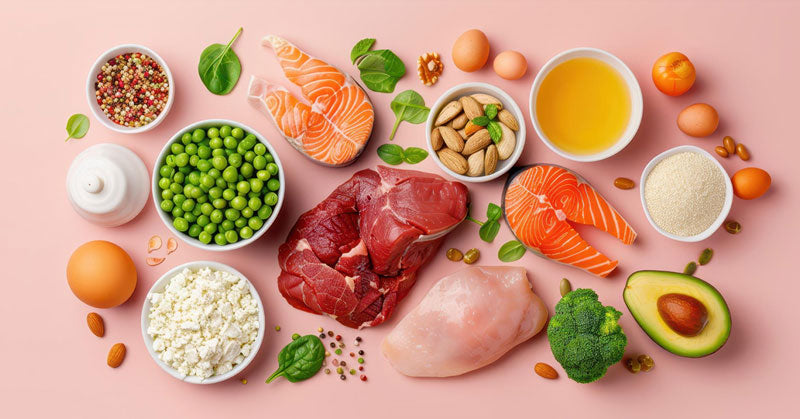
Best Dietary Sources of Protein
Protein can be obtained from both animal and plant sources.
Animal sources:
- Eggs
- Chicken
- Fish
- Milk and dairy products
- Lean meats
Plant sources:
- Lentils and beans
- Chickpeas
- Tofu and soy products
- Nuts and seeds
- Whole grains
Combining various sources ensures you get all essential amino acids, especially for those following vegetarian or vegan diets.
Common Myths About Protein
There are many misconceptions about protein. Let’s clear a few:
-
Myth 1: Protein is only for bodybuilders
Reality: Everyone needs protein for basic body maintenance.
-
Myth 2: More protein is always better
Reality: Excess protein does not provide extra benefits and should be consumed in balance.
-
Myth 3: Plant proteins are inferior
Reality: With proper combinations, plant proteins can meet all nutritional needs.
-
Myth 4: Protein harms the kidneys
Reality: In healthy individuals, normal protein intake does not damage the kidneys.
Practical Tips to Ensure Adequate Protein Intake
To make sure you are getting enough protein daily, consider these tips:
- Include a protein source in every meal
- Start your day with protein-rich breakfast options like eggs or yogurt
- Snack on nuts, seeds, or legumes
- Add beans or lentils to soups and salads
- Choose whole foods over processed options
- Balance animal and plant proteins
Conclusion
Protein is rightly called the “building nutrient” because it is involved in constructing, repairing, and maintaining nearly every part of the human body.
From muscles and bones to enzymes and immunity, protein is fundamental to life and health.
Without sufficient protein, the body cannot grow, heal, or function efficiently.
Ensuring an adequate intake of protein through a balanced diet is one of the simplest yet most powerful ways to support overall health, strength, and longevity.
Understanding the vital role of protein helps us appreciate why this nutrient deserves special attention in our daily meals.
By making mindful food choices and including a variety of protein sources, you can ensure your body always has the building materials it needs to stay strong and healthy.